Navigating Workplace Cybersecurity: A Business Guide
2026-04-24 12:23:13
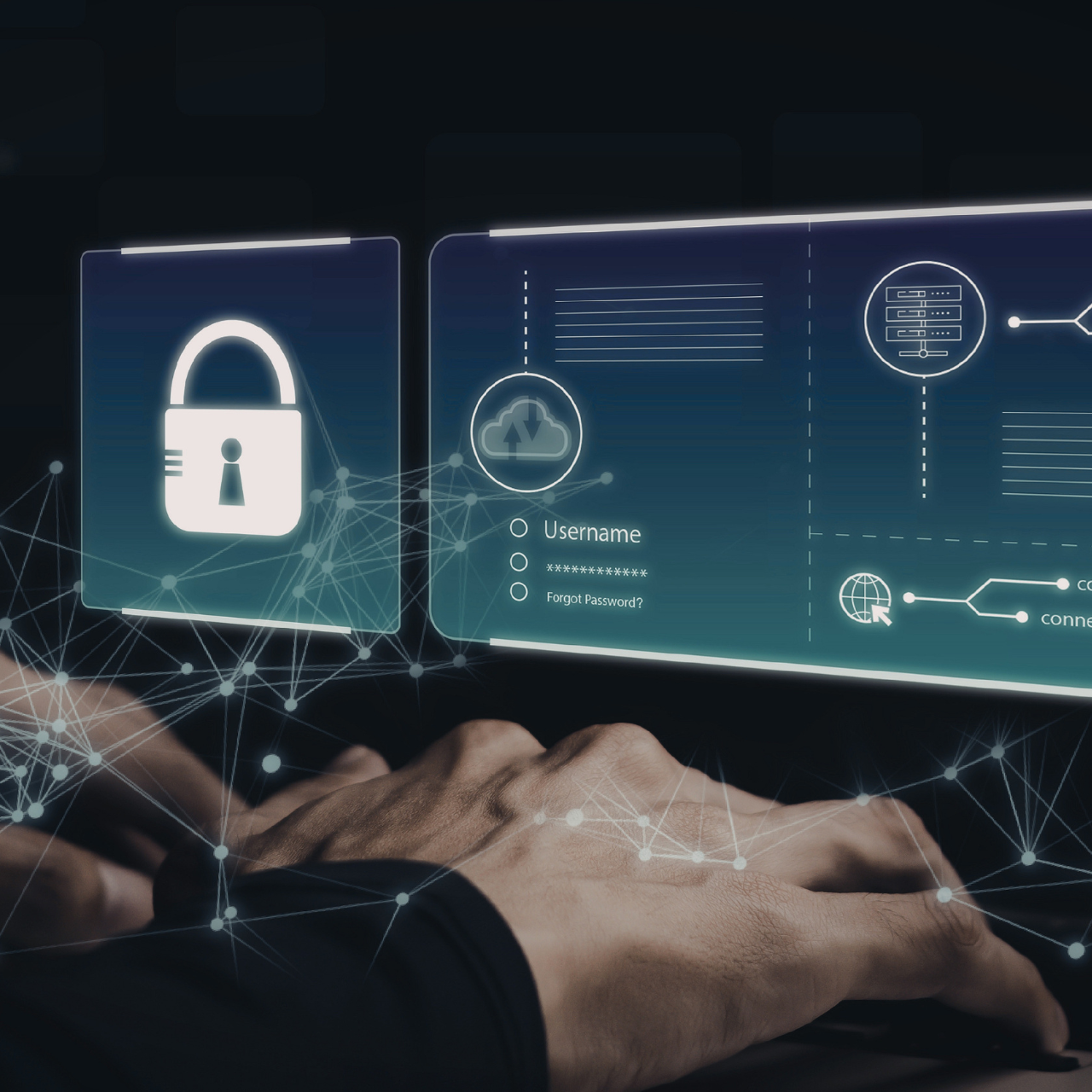
The office is no longer defined by four walls and a central server, it's more like a hyper-connected landscape. With the rise of hybrid work, cloud-based collaboration, and an ever-growing array of Internet of Things (IoT) devices, the "perimeter" of your business has effectively vanished.
For small to medium businesses (SMBs), this evolution brings incredible agility, but it also opens new doors for digital threats.
Workplace cybersecurity is no longer just a technical checkbox for the IT department; it is a fundamental pillar of business continuity and brand reputation. As we navigate 2026, the question for business leaders is no longer if an attack will happen, but how prepared the organisation is to withstand and recover from one.
This guide provides a comprehensive roadmap for SMBs to build a resilient cybersecurity strategy, from hardening physical hardware to empowering the human firewall.
A comprehensive roadmap for SMBs to build a resilient cybersecurity strategy
1. Assessing the Landscape: Where Does Your Risk Lie?
Before investing in expensive software, you must understand your unique risk profile. A one-size-fits-all approach rarely works in workplace cybersecurity.
Identifying Critical Assets
Start by mapping out where your most sensitive data lives. Is it in your financial software, customer CRM, or perhaps intellectual property stored on a local server? Understanding the "crown jewels" of your business allows you to prioritise protection where it matters most.
Vulnerability Scanning
Risk isn't just about data; it's about entry points. An unpatched software application, an old router, or even a smart coffee machine connected to the office Wi-Fi can serve as a gateway for hackers. Regular vulnerability assessments are essential to find these cracks before a malicious actor does.
For businesses without an in-house security team, leveraging managed IT services can provide the professional oversight needed to identify these gaps.
2. Common Attack Vectors: Beyond the Screen
To harden your systems, you must first understand how attackers get in. While movies depict hackers "brute-forcing" through complex code, the reality is often much simpler and more physical.
Email Phishing: The Human Entry Point
Phishing remains the most common attack vector. Modern phishing is highly sophisticated, often using AI to mimic the writing style of a CEO or a trusted vendor. These "Business Email Compromise" (BEC) attacks trick employees into clicking malicious links or authorising fraudulent payments.
Unsecured Printers: The Silent Threat
Many businesses overlook their "peripheral" devices. In a modern office, a printer is essentially a computer with a hard drive connected to your network. If left unsecured, it can be used to intercept sensitive documents or as a jumping-off point to move deeper into your corporate network. Ensuring your security protocols extend to every device on the floor is a non-negotiable step in 2026.
The "Bring Your Own Device" (BYOD) Gap
When employees use personal smartphones or laptops to access work emails, they bypass many corporate security layers. Without a formal Mobile Device Management (MDM) strategy, a single lost phone or a malware-infected personal app could compromise your entire database.
3. Hardening the Perimeter: Practical Steps to Secure Endpoints
Once you’ve identified the risks, it’s time to implement a "defence-in-depth" strategy. This means layering multiple security controls so that if one fails, others are there to stop the threat.
Implement Multi-Factor Authentication (MFA)
MFA is arguably the single most effective tool in your arsenal. Even if an attacker steals an employee's password, they cannot gain access without the second form of verification (like a biometric scan or a one-time code).
Zero Trust Architecture
The old security model was "trust, but verify." The modern model is "never trust, always verify." Zero Trust architecture treats every login attempt, whether from inside the office or a remote cafe, as a potential threat. It grants users access only to the specific data they need for their roles, limiting the blast radius if an account is compromised.
Endpoint Detection and Response (EDR)
Standard antivirus software is no longer enough to stop modern ransomware. EDR tools monitor your computers and servers in real-time, using behavioural analysis to spot suspicious activity like a sudden attempt to encrypt thousands of files and automatically isolate the device from the network.
4. The Human Firewall: User Training and Culture
You can have the most expensive firewall in the world, but it only takes one distracted employee clicking a "track your parcel" link to bypass it. Workplace cybersecurity is as much about psychology as it is about technology.
Continuous Awareness Training
Annual "death-by-PowerPoint" sessions are ineffective. Instead, implement short, monthly training "micro-lessons" that cover current trends. Use simulated phishing tests to see which employees are most likely to click, and provide them with constructive feedback in a safe environment.
Creating a Culture of Reporting
Employees shouldn't be afraid to report a mistake. If someone realises they clicked a suspicious link, they need to feel empowered to tell IT immediately. Speed is the most critical factor in stopping a breach; a culture of transparency can save a company millions in recovery costs.
5. Incident Response: Preparing for the "When," Not the "If"
A mark of a mature business is having a documented Incident Response Plan (IRP). When a screen turns red with a ransomware demand, panic is your worst enemy. A clear plan ensures everyone knows their role.
The IRP Checklist
- Identification: How do we confirm a breach has occurred?
- Containment: How do we stop the threat from spreading (e.g., shutting down the server)?
- Eradication: How do we remove the malware or the unauthorised user?
- Recovery: How do we restore data from backups? (Crucially, have these backups been tested recently?)
- Lessons Learned: What went wrong, and how do we prevent it next time?

For many SMBs, the technical side of incident response is best handled by a dedicated security partner who can provide 24/7 monitoring and rapid intervention.
6. Regulatory Compliance and POPIA
In South Africa, the Protection of Personal Information Act (POPIA) isn't just a suggestion; it’s the law. Workplace cybersecurity is the mechanism by which you achieve POPIA compliance.
A breach doesn't just result in lost data; it can lead to heavy fines, legal action, and a total loss of customer trust. By implementing the strategies mentioned above, you aren't just protecting your hardware; you are fulfilling your legal obligation to protect the privacy of your clients and employees.
7. The Role of Managed Services in 2026
The cybersecurity landscape moves faster than most business owners can track. New "Zero-Day" vulnerabilities are discovered daily, and hackers are increasingly using AI to automate their attacks.
This is where the value of a managed partner becomes clear. By outsourcing your IT and security infrastructure, you gain access to enterprise-grade tools and a team of specialists that would be too costly to hire internally. A managed partner provides:
- Proactive patching and updates.
- Managed firewalls and encryption.
- Secure cloud backups.
- Ongoing compliance auditing.
Building a Resilient Future
Navigating workplace cybersecurity can feel overwhelming, but it is a journey of incremental improvements. By moving from a reactive "fix-it-when-it-breaks" mindset to a proactive, strategic approach, you can turn security from a source of anxiety into a competitive advantage. Customers want to do business with companies they can trust. When you secure your workflows, you aren't just protecting data, you're protecting your future.
Is Your Business Truly Secure?
Don't wait for a breach to find out where your weaknesses are. At Daisy Business Solutions, we offer holistic IT and security assessments designed to harden your infrastructure and protect your bottom line.
Contact us today for a Cybersecurity Conversation or explore our Managed IT Services to see how we can help you build a safer, smarter workplace.